How Fotona Laser Treatments Can Enhance Your Natural Beauty
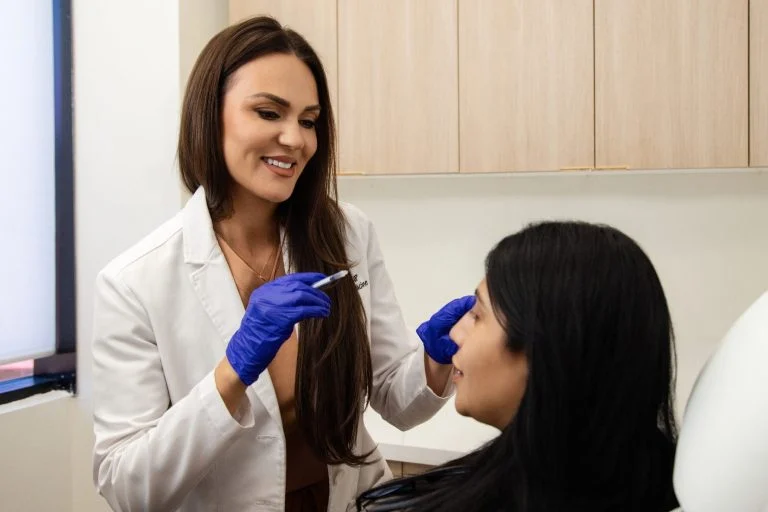
Natural beauty does not need to be dramatic to be noticeable. In practice, the most satisfying aesthetic treatments are often the ones that make people look rested, smoother, clearer, or firmer without making anyone ask what was done. That is where Fotona Laser Treatments have earned a strong reputation. They are often chosen by patients who want refinement rather than reinvention, and by practitioners who value versatility and control.
The appeal is simple. A good laser treatment should work with the skin you already have. It should improve texture, tone, laxity, and signs of aging in a way that still looks like you. Patients rarely come in asking to look artificial. They want under-eye crepiness to soften, acne scars to become less obvious, broken capillaries to fade, or a tired jawline to feel tighter. They want makeup to sit better. They want fewer reminders of sun damage when they catch themselves in bright bathroom lighting.
Fotona systems are well known in aesthetic medicine because they combine different laser wavelengths and treatment modes that can address both superficial and deeper concerns. In experienced hands, that flexibility allows a treatment plan to be tailored with surprising precision. The result can feel less like a single cosmetic procedure and more like strategic skin renovation over time.
What makes Fotona different
One reason Fotona Laser Treatments stand out is that they are not one-note treatments. Depending on the platform and the handpiece selected, a provider may use an Er:YAG wavelength for resurfacing and more superficial tissue work, or an Nd:YAG wavelength to reach deeper layers, stimulate collagen, or target vascular concerns. That matters because skin concerns rarely exist in isolation. Fine lines are often paired with dullness. Redness may sit alongside laxity. Acne scars can be mixed with enlarged pores and irregular tone.
In a consultation, this is where the technology starts to matter less than the treatment design. A skilled provider will not talk about the machine as if it is magic. They will talk about endpoints, skin thickness, healing time, pigment risk, and whether your concern is epidermal, dermal, vascular, structural, or some mix of all four. That kind of judgment is what separates a sensible plan from a sales pitch.
A common misconception is that all lasers resurface the skin in the same way. They do not. Some focus heavily on ablation, removing very fine layers of tissue to improve texture. Others deliver heat into deeper tissue to stimulate remodeling while leaving more of the surface intact. Fotona is often used because it can be adjusted across a spectrum, from lighter lunchtime-style treatments to more intensive sessions that require genuine downtime. That range is useful for patients with different lifestyles, skin goals, and tolerance for recovery.
The most natural results are usually gradual
Patients often imagine laser treatment as a before-and-after event. In reality, the most natural aesthetic change tends to happen in layers. A single session can refresh the skin, but collagen remodeling is not instant, and meaningful correction often takes a series. That is not a weakness of the technology. It is one reason the end result can look believable.
When a face changes too suddenly, especially in a way that erases movement or alters facial proportions, people notice. Laser treatments work differently. They improve the skin envelope. The pores can look tighter. The texture can feel smoother. Fine lines may soften. Pigment irregularities can fade. Mild laxity can become less obvious. None of that changes who you are. It simply lets the healthier version of your skin show through.
I have seen this matter most in patients who were hesitant about aesthetic medicine in general. They did not want filler. They did not want to look polished in a way that felt disconnected from their age or personality. What they wanted was to stop looking as tired as they felt after a stressful year, a postpartum stretch, or a period of poor sleep and overwork. Treatments that improve skin quality often answer that need better than aggressive intervention.
Where Fotona Laser Treatments tend to shine
The range of concerns that can be treated is one of the reasons providers return to this platform. Not every clinic uses the same protocols, and not every patient is a fit for every treatment, but several categories come up repeatedly.
Skin texture is one of the clearest examples. Fine roughness, enlarged pores, superficial acne scarring, and a general loss of smoothness often respond well to laser-based resurfacing. In the mirror, this tends to show up as skin that reflects light more evenly. Patients may describe it more simply: their skin looks less tired, foundation sits better, and they stop feeling the need to blur everything with makeup.
Early signs of aging are another common reason for treatment. Collagen declines with time, and the first visible changes are often subtle, a little crepe under the eyes, faint lines around the mouth, or skin that no longer rebounds as quickly. Certain Fotona treatment modes are used to create controlled thermal stimulation in the dermis, which can support collagen remodeling. Expectations should stay realistic. A laser does not recreate twenty-year-old skin. But for mild to moderate changes, it can improve firmness enough that the whole face looks fresher.
Pigmentation and sun damage may also be part of the plan, though this requires careful assessment. Some forms of pigment are straightforward. Others, particularly in melasma-prone skin, can flare with heat or inflammation if a treatment is poorly chosen. That is why a thorough history matters. Patients sometimes say, “I just want everything zapped.” Experienced clinicians know better. They distinguish between freckles, lentigines, diffuse redness, post-inflammatory pigment, and melasma because the safest path is not always the most aggressive one.
Redness and visible vessels can be another area where laser treatments add value. The deeper wavelength options available in some Fotona protocols can help with vascular concerns, especially when the issue is mild to moderate rather than severe. A patient with diffuse redness around the nose and cheeks may not need a dramatic overhaul. They may just want their complexion to look less reactive and more even. When that happens, the face often appears younger without any obvious sign of intervention.
Acne and acne scarring also deserve mention. Active acne can sometimes be addressed through specific laser protocols aimed at reducing inflammation and supporting the skin environment. Scarring is more complicated. Rolling scars, boxcar scars, and textural irregularities each behave differently. Improvement is https://andyttny606.cavandoragh.org/how-fotona-laser-treatments-help-reveal-clearer-skin usually incremental rather than total. A thoughtful practitioner will explain that the goal is not perfectly untouched skin. It is meaningful softening of contrast and depth so that scars stop drawing the eye first.
Why “natural beauty” is really about skin quality
When people talk about looking natural, they are usually talking about harmony. Smooth skin with visible expression looks natural. Even tone with a few normal lines looks natural. A firmer jawline that still moves normally looks natural. Skin quality carries a surprising amount of visual weight, which is why laser treatments can have such a large effect without changing facial identity.
This is especially true in daylight. Overhead lighting and phone cameras can be unforgiving because they exaggerate texture, shadowing, and pigment. Small improvements in these areas often translate into a bigger real-world benefit than patients expect. Someone may come in focused on one crease and leave happiest about something they had not thought to mention, like the fact that their skin now looks brighter around the mouth or less crumpled under the eyes.
There is also a psychological piece to this. Heavy treatment can make a person feel maintained. Better skin quality tends to make them feel more themselves. That distinction matters. It affects confidence in a quieter, more durable way.
Popular treatment styles and how they differ
Many patients first hear about branded treatment names rather than the underlying science. Clinics may offer resurfacing, collagen-stimulating protocols, intraoral tightening treatments, or combination sessions tailored to the face, neck, or eye area. The names vary, but the principle is usually the same: use precise light energy to trigger targeted tissue change.
A light resurfacing session generally focuses on refreshing the skin surface with limited downtime. Patients often describe a few days of pinkness and dryness followed by smoother texture. This can be a good choice before a busy season when someone wants visible improvement without a long recovery.
A deeper resurfacing session asks more of the patient but may deliver more obvious textural change. Recovery can include redness, swelling, and several days of social downtime. Not everyone wants that, and not everyone needs it. The temptation to chase the strongest option is common, but stronger is not always better. A series of moderate treatments is sometimes the wiser course, especially in patients who heal unpredictably or carry a higher risk of post-inflammatory pigmentation.
Non-ablative collagen-stimulating treatments tend to have less downtime. They are often selected for patients who want firmness and glow more than peeling. Results are usually subtler at first, then build over a few months as remodeling unfolds. This category often appeals to professionals who cannot disappear from work for a week.
One of the most interesting areas is treatment around the mouth and lower face. Some Fotona protocols are designed to tighten tissue from both the outside and, in certain approaches, from inside the oral cavity. This can support mild improvement in the nasolabial area, marionette region, or jawline. It is not a facelift, and it should never be sold like one. But in the right patient, especially someone with early laxity, it can shift the balance enough to make the face look less drawn.
What treatment actually feels like
Patients almost always ask about pain, and the honest answer is that comfort depends on the protocol. Some lighter sessions feel hot and prickly, similar to repeated snaps with a warm sensation. Others, especially more intensive resurfacing treatments, can be uncomfortable enough that topical numbing is standard and careful counseling is necessary.
After treatment, the skin may feel sunburned, warm, tight, or dry. Swelling can be mild or more pronounced depending on the area treated and the depth of energy used. Around the eyes, even a modest treatment can look dramatic for a day or two simply because the tissue is delicate. That does not necessarily mean something is wrong. It does mean patients should not book treatment right before a wedding, photo shoot, or major presentation unless they have discussed timing in detail.
One practical point that often gets overlooked is texture during healing. Patients expect redness. They are less prepared for the sandpapery, bronzed, or flaky phase that can happen as the skin renews. Good aftercare makes a difference, and so does patience. People sometimes panic on day three and assume they look worse. By day seven or ten, depending on the treatment, the picture can be very different.
The importance of patient selection
Not everyone is the right candidate for every laser treatment. This is where honesty protects both safety and outcomes. Skin type matters. Recent tanning matters. A history of melasma matters. Active infection, certain medications, poor wound healing, and unrealistic expectations all matter.
A responsible consultation should cover more than the cosmetic goal. It should include pigment history, prior procedures, isotretinoin use where relevant, cold sore history if the mouth area is treated, and how much downtime the patient can truly manage. The best plan is not the one that sounds most exciting. It is the one your skin can tolerate and recover from predictably.
Patients with deeper skin tones can absolutely benefit from laser treatment, but settings, wavelengths, and treatment selection require added care. The risk of post-inflammatory hyperpigmentation is not theoretical. It is real, especially when protocols are too aggressive or aftercare is poor. That does not mean these patients should be turned away. It means they should be treated by someone who understands the nuance.
Preparing well makes a real difference
A laser session starts before the day of treatment. Skin that is inflamed, sun-exposed, or sensitized tends to behave badly. Skin that has been calmly prepped usually heals more cleanly.
Here are the basics most patients benefit from discussing with their provider:
- Avoid tanning and minimize direct sun exposure in the weeks before treatment.
- Pause irritating actives, such as strong retinoids or exfoliating acids, if your clinician advises it.
- Tell your provider about every medication, supplement, and prior reaction to procedures.
- Follow antiviral guidance if you have a history of cold sores and the treatment area puts you at risk.
- Clear your schedule enough to allow for honest recovery, not optimistic recovery.
That final point matters more than many people realize. If a clinician says you may have three to seven days of visible healing, plan for seven. People are consistently happier when recovery ends earlier than expected rather than later.
Aftercare is where good results are protected
Laser energy creates controlled injury. The quality of the result depends in part on what happens next. A beautifully performed treatment can be undermined by friction, heat, sun exposure, picking, or a patient returning too quickly to a harsh skincare routine.
In the early healing window, bland moisturization, gentle cleansing, and sun protection are usually central. Some protocols require more structured aftercare, and patients should follow the instructions given for their specific treatment rather than relying on generic internet advice. This is not the time for experimenting with vitamin C serums, scrubs, or “detox” products.
One pattern I have seen repeatedly is the patient who feels so pleased with the early improvement that they become careless about sunscreen. Then, weeks later, they wonder why pigment has crept back in. Laser treatments can improve the canvas, but they do not exempt anyone from maintenance. If UV exposure was one of the causes of the problem, it remains part of the story after treatment too.
Trade-offs that deserve a frank discussion
Aesthetic marketing tends to flatten nuance. Real consultations should do the opposite. Fotona Laser Treatments can be excellent tools, but they come with trade-offs.
Downtime is the obvious one. The more correction you ask from the skin surface, the more visible the recovery tends to be. Cost is another. A well-executed series performed by an experienced medical professional is an investment, and the cheapest treatment is not always the least expensive if it leads to poor results or complications.
Results also depend on the concern being treated. Fine lines and mild laxity often improve nicely. Deep folds caused by volume loss will not disappear with laser alone. Pronounced skin laxity may still be better served by surgery. Acne scars may soften significantly without ever becoming invisible. Patients do best when they understand whether their concern is primarily one of pigment, texture, volume, laxity, or anatomy, because each category responds differently.
The best providers are comfortable saying no, or at least not yet. Sometimes they recommend skincare first, a pigment-stabilizing phase first, or a different modality entirely. That restraint is a mark of experience, not limitation.
How to judge whether your result looks natural
Natural results are easy to recognize and strangely hard to define. You still look like yourself in motion. Your skin catches light better. The face appears smoother without looking flat. Friends may say you look well-rested, not “done.” Even close observers cannot immediately identify the change.
One useful way to assess a treatment is to watch what happens to the features that used to bother you in ordinary life. Does concealer stop creasing under the eyes as much? Do you need less makeup to feel put together? Do you stop angling your face away from harsh restaurant lighting? Those small shifts often say more than dramatic before-and-after photography.
For many patients, the greatest success is not a visible transformation but the quiet disappearance of a distraction. A red patch no longer dominates the cheek. Acne marks fade enough that they stop being the first thing you see. The lower face feels a little tighter, so the whole expression looks less weary. Those are modest changes on paper. In daily life, they can feel substantial.
Choosing the right provider matters more than the device name
It is tempting to shop by brand name, especially when a technology has strong recognition. But the machine is only part of the equation. Settings, sequencing, diagnosis, and restraint shape the result far more than a logo on the side of the device.
When evaluating a clinic, look for evidence that the provider understands skin, not just sales. Good questions usually beat flashy promises. Ask how they determine candidacy, what downtime is realistic for your plan, how they manage pigment risk, what complications they see most often, and what they would recommend if laser is not your best option. A thoughtful answer to the last question is especially revealing.
The strongest outcomes I have seen from Fotona Laser Treatments came from plans that respected the patient’s actual face, skin type, schedule, and goals. Not every person needed a dramatic resurfacing package. Some needed a sequence of gentler treatments with careful maintenance. Some needed laser combined with skincare. Some needed to address redness first and texture later. This kind of customization is what keeps results elegant.
When laser treatment is done well, the effect is not artificial beauty. It is restored clarity. Your skin looks healthier, your features look more rested, and the version of you that appears in the mirror feels more familiar. That is the real promise of a well-chosen laser plan, and it is why these treatments continue to appeal to people who want to enhance their natural beauty rather than overwrite it.
OMNIA Wellness Center
Address: 16430 Ventura Blvd Ste 207, Encino, CA 91436
Phone number: +18183868511
FAQ About Fotona Laser Treatments
What is a Fotona laser good for?
A Fotona Laser system is a versatile, dual-wavelength medical laser used primarily for non-surgical skin tightening, anti-aging rejuvenation, and dermatological treatments.
How much does the Fotona laser cost?
The cost of a Fotona laser depends heavily on whether you are looking to purchase a laser machine for a medical practice or are a patient seeking a laser treatment at a medspa.
Is a Fotona laser worth it?
A Fotona laser treatment is generally worth it if you want non-surgical skin tightening, improved texture, and collagen stimulation with very little downtime.